Basic Things to Know When Moving to a New City 

Are you planning to move because your work has caused you to? You might be transferring homes across town or a long drive to the city, if this is the case, you are practically starting a new life away from your current home.  
Maybe you are someone who just wants to start anew in a new town or city? If you are this person, please take note of the basic things you should do before, during and after moving into a new place.  

Moving in a new place can be a really tough journey however it could really be fulfilling as well. A new city might stretch your ability to adapt and thrive but it can certainly help you grow more as a person. In fact, we always love a new adventure and trying things that are new.  

Before you move into a new city, I’m pretty sure you need a lot of thinking to do. You need to weigh your chances and consult the people dear to you for the right move or choice. 

If you are someone who likes starting anew, you’re probably afraid of regretting anything as well. To not regret anything, you need to list down what you need to do before moving forward, through this your baggage of possible what ifs will lessen.  

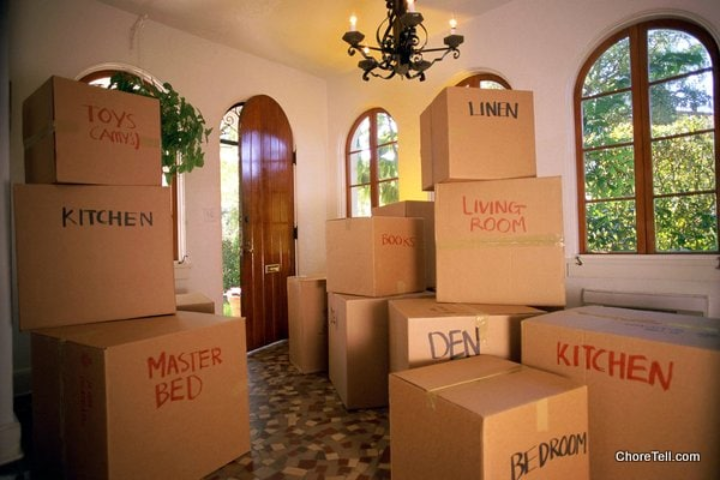
Moving into a place also needs a lot of fixing up. You need to make sure you have packed the right things, those you need the most. Sometimes in packing we get too sentimental that we bring so much of our things without thinking of how we could possibly transport our stuff that goes beyond the capacity our cars can hold.  

If you are this someone, you might need a professional’s help to help you get the job done. Baltimore moving company offers ways on how you can conveniently move from your town to the next or even the city that’s so far away from your home. They have always kept in mind the service they should give to people like you who wants to start anew.  

Baltimore offers a stress-free moving day. Sure, speed should come into mind when it comes to company who offers moving services however it is always more appealing if the company, you’re going for is someone who does not only consider your time but your valuables as well.  

After all the moving steps, the dos and don’ts, take in the start you were looking for. Take advantage of the new adventure you’re in, make friend with the new neighbors you have and unpack the things you have managed to bring with you.  

In these moments, you are probably overwhelmed about how you need to arrange things to call your new place your new home, however the stress is definitely lessened because your valuables are intact and taken care of.  

If you are planning a move, book an appointment with https://www.bmoremovingcompany.com/ today through bmoremovingcompany.com and read more about what they have to offer through their website! 
Repair or replace? The Appliance Decision Most Homeowners Get Wrong

Every homeowner eventually faces the moment when a major appliance stops working and the immediate question becomes whether to fix it or replace it entirely. It seems like a straightforward financial decision, but most people make it poorly because they are weighing incomplete information under the pressure of an inconvenient situation. 

Making Smarter Appliance Decisions Starts with the Right Information

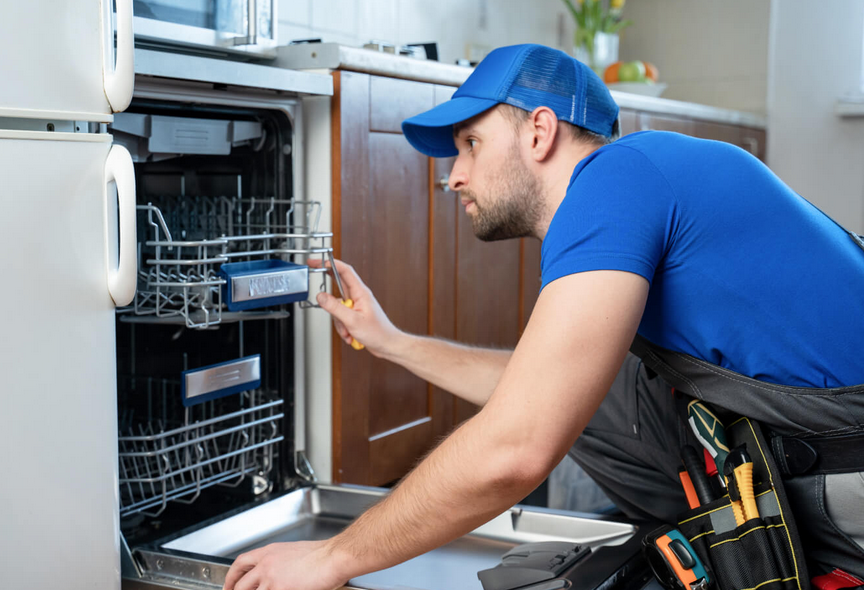
The difference between a repair decision that saves money and one that simply delays an inevitable replacement comes down to having accurate information about the appliance, the repair, and the realistic alternatives. Homeowners who connect with a reliable appliance repair Baltimore professional before making any purchase decisions consistently make more financially sound choices than those who head straight to a showroom the moment something breaks down.

The Age of the Appliance Changes the Entire Calculation

First and foremost, the single most important variable in any repair versus replace decision is the age of the appliance relative to its expected lifespan. A refrigerator that fails after six years still has significant useful life remaining and is almost always worth repairing unless the repair cost approaches or exceeds half the price of a comparable replacement unit. The same repair on a fifteen-year-old appliance approaching the end of its realistic lifespan is a much harder case to justify financially.

Repair Costs Should Be Evaluated Against Realistic Replacement Costs

Furthermore, many homeowners make the mistake of comparing a repair estimate against the lowest possible replacement price rather than the true cost of a comparable replacement. A high-efficiency washer with similar capacity and features to the one being repaired costs significantly more than the basic entry-level model, and that difference matters when evaluating whether a repair makes financial sense. 

Recurring Repairs Are a Signal Worth Taking Seriously

Another important factor in the repair versus replace calculation is the history of the appliance and whether the current failure is an isolated incident or part of a pattern of increasing mechanical problems. An appliance that has required multiple repairs over the past two or three years is communicating something important about its overall condition and reliability going forward. 

Energy Efficiency Gains Can Tip the Decision Toward Replacement

Finally, the operating cost difference between an aging appliance and a modern energy-efficient replacement deserves a place in the repair versus replace conversation that it rarely receives. Appliances manufactured more than a decade ago operate at efficiency standards that current models have significantly surpassed, particularly in categories like refrigerators, washing machines, and dishwashers. The monthly energy savings delivered by a modern replacement unit can meaningfully offset the purchase cost over time.

Conclusion: Making Smarter Appliance Decisions Starts with the Right Information

To bring it all together, the repair versus replace decision deserves more careful thought than the urgency of a broken appliance usually allows. Appliance age, honest cost comparisons, repair history, and energy efficiency gains are the four factors that together produce a decision you can feel confident about rather than one driven purely by the stress of the moment. A qualified repair professional is the best first call when an appliance fails, not because repair is always the right answer, but because an accurate diagnosis and honest assessment give you exactly the information you need to make the smartest possible choice.

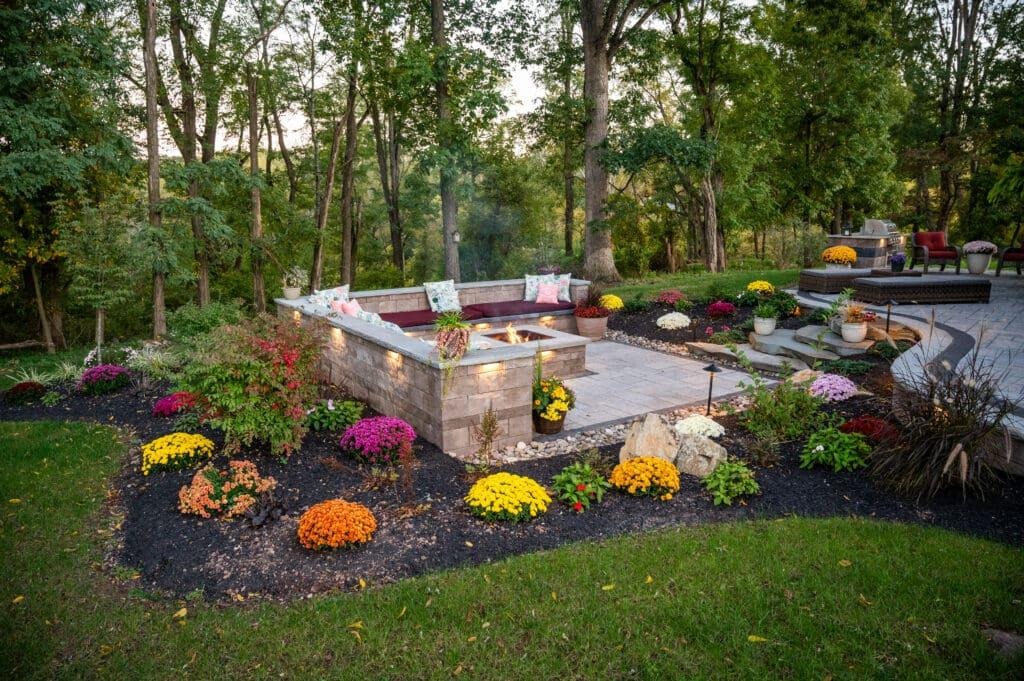
How to Turn Your Outdoor Space into a Place You Actually Use Every Day

There is a meaningful difference between a yard that looks good from a distance and one that genuinely draws people outside and keeps them there. Attractive landscaping has obvious value, but landscaping designed around how people actually live, gather, move, and relax outdoors creates something far more valuable than curb appeal alone. 

Designing Outdoor Spaces That Work as Hard as They Look

The most successful outdoor spaces are the ones that balance beauty with genuine usability, creating environments that feel as intentional and comfortable as any room inside the home. Homeowners working with a skilled landscaping Columbia MD team understand that the difference between a yard that impresses and one that is actually lived in comes down to thoughtful design decisions made long before the first plant goes in the ground.

Defining Zones Creates Structure and Usability

First and foremost, one of the most transformative things a thoughtful landscaping plan can do for an outdoor space is create distinct functional zones that give different areas of the yard a clear purpose. A dining area defined by a patio surface and overhead structure, a lounge zone anchored by comfortable seating and soft lighting, a play area designated for children, and a garden space set apart for growing all contribute to a yard that feels organized, intentional, and genuinely usable rather than one large undifferentiated space that nobody quite knows how to occupy. 

Privacy Landscaping Changes How Comfortable Outdoor Spaces Feel

Furthermore, the degree of privacy a yard offers has an enormous influence on how frequently and how comfortably it gets used. Outdoor spaces that feel exposed to neighbors, passing traffic, or adjacent properties create a subtle but persistent sense of discomfort that discourages relaxed outdoor living even when the space itself is beautifully designed. 

Lighting Extends the Usability of Outdoor Spaces into the Evening

Another dimension of outdoor living that dramatically increases how much a space actually gets used is thoughtful landscape lighting. A yard that is beautifully functional during daylight hours but dark and uninviting after sunset is effectively unavailable for half of the hours when many people have time to enjoy it. Pathway lighting, accent lighting for trees and architectural features, ambient lighting for dining and lounge areas, and task lighting for outdoor kitchens or grilling spaces collectively transform a daytime space into one that is just as welcoming and functional after dark as it is in the afternoon sun.

Low Maintenance Design Keeps Beautiful Spaces Beautiful

Finally, the most visually impressive outdoor space delivers limited long-term value if it requires more maintenance than the homeowner realistically has time or energy to provide. Landscaping designed with the owner’s actual lifestyle and maintenance capacity in mind chooses plant species for their resilience and low upkeep requirements, incorporates efficient irrigation systems that reduce manual watering demands, and uses hardscape elements strategically to minimize the lawn area that requires regular mowing and edging. 

Conclusion: Designing Outdoor Spaces That Work as Hard as They Look

To bring it all together, truly successful landscaping creates outdoor spaces that are beautiful, functional, private, well-lit, and genuinely maintainable over the long term. Each of these elements contributes to a yard that earns a real place in daily life rather than simply adding visual value from the curb. Outdoor space is too valuable and too full of potential to be treated as anything less than a genuine extension of the home.